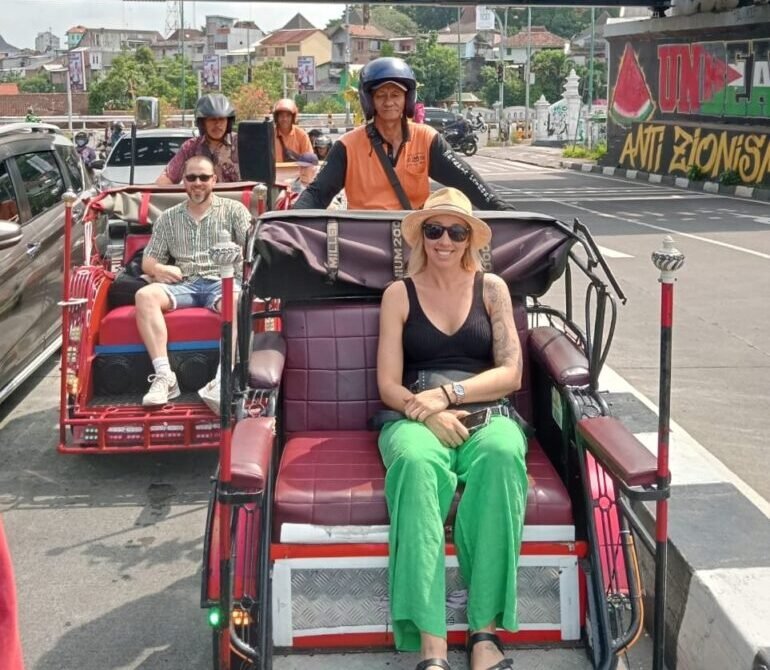
Travel to Indonesia : Tips and General Information
Travel often begins long before the plane lands. It begins with questions. For many people planning a visit to Indonesia, the first questions are rarely about temples, volcanoes, or hidden beaches. Instead, they are much more practical.
- Do I need a visa?
- Is Indonesia safe?
- When is the best time to visit?
- What currency should I bring?
- How do people move around the country?
After years of working with travelers arriving in Indonesia, we have noticed that these questions appear again and again. Sometimes they arrive months before a trip begins. Sometimes they are asked casually during the first conversation after guests land in Yogyakarta.
These questions are not just about logistics. They are part of the natural process of entering an unfamiliar place. Preparing the basics helps travelers feel comfortable enough to slow down and notice what really matters once the journey begins. So before exploring Indonesia’s culture, landscapes, and communities, it helps to start with a few simple practical answers.
Visa and Entry Requirements for Indonesia
One of the first things travelers want to know is whether they need a visa to enter Indonesia. For many nationalities, visiting Indonesia is relatively straightforward. Most travelers can obtain a Visa on Arrival (VOA) which allows a stay of 30 days. If travelers decide to stay longer, this visa can usually be extended once for another 30 days, allowing a total stay of up to 60 days.
Some visitors prefer applying for an electronic Visa on Arrival (e-VOA) before traveling. This option allows travelers to complete the process online before arrival. In certain airports, travelers with an electronic passport and e-VOA may also use the autogate immigration system, which can make the entry process faster.
To enter Indonesia, travelers generally need to prepare:
- A passport valid for at least six months
- A return or onward flight ticket
- The electronic customs declaration, completed online before arrival
Immigration rules may occasionally change, so it is always wise to check the latest official information before traveling. Once these basic requirements are prepared, most visitors find that the arrival process is smooth and welcoming.
Understanding the Best Time to Visit Indonesia
Another question that often appears early in trip planning is about the best time to visit Indonesia. Because Indonesia sits near the equator, the country experiences a tropical climate rather than four distinct seasons. Instead, the weather generally follows two main periods:
The Dry Season
Typically between April or May and October, this period often offers clearer skies and comfortable weather for outdoor exploration. Many travelers consider this the most convenient time to visit temples, hike volcanoes, or explore villages and nature.
The Rainy Season
Usually between November and March, rainfall becomes more frequent. However, rain often comes in short tropical showers rather than lasting the entire day. Many mornings remain clear and suitable for exploring. Interestingly, some travelers appreciate visiting during the rainy months. Landscapes become greener, waterfalls are more powerful, and popular destinations may feel quieter. In reality, Indonesia can be visited throughout the year. The experience simply changes with the rhythm of the seasons.
Currency and Daily Expenses in Indonesia
Travelers also often ask about money. Indonesia uses the Indonesian Rupiah (IDR). One of the first things visitors notice is that prices are written in relatively large numbers compared to many other currencies. For example, a simple local meal may cost 40,000 to 70,000 rupiah, which may look expensive at first glance but is usually quite affordable in international currency. In larger cities and popular travel destinations, credit cards are widely accepted, especially in hotels, restaurants, and larger stores.
However, it is still useful to carry some cash, particularly when visiting local markets, small shops, or rural villages where digital payments may not always be available. ATMs are widely available in most cities and tourist areas, making it easy for travelers to withdraw local currency when needed.
Electricity and Travel Essentials
Another practical detail travelers sometimes ask about is electricity. Indonesia uses Type C and Type F electrical plugs, the same two-round-pin plugs commonly used across much of Europe. The standard electricity voltage is 230V. Travelers coming from countries that use different plug types may need a simple travel adapter, which is easy to purchase before departure or after arriving in Indonesia. These small preparations may seem minor, but they often help travelers feel more comfortable during their first days in a new country.
Is Indonesia Safe for Travelers?
Safety is naturally an important question when visiting any unfamiliar destination. Indonesia is generally considered a safe and welcoming country for travelers. Many visitors quickly notice the friendliness of local communities and the relaxed rhythm of daily life. Across the archipelago, it is common for locals to greet visitors with curiosity, smiles, and a genuine willingness to help.
Like anywhere in the world, however, travelers should maintain basic awareness of their surroundings. In busy urban areas, small incidents such as phone snatching or pickpocketing can occasionally occur. Most travelers avoid problems simply by keeping their belongings secure and staying attentive in crowded places. For many visitors, the strongest memory they take home is not safety concerns, but rather the warmth and openness of the people they meet along the way. (Read here if you want to know more about our model of travel. “Discover Autica’s way of travel.”)
Health and Medication Considerations
Before traveling internationally, some visitors also ask about health preparation. Depending on a traveler’s country of origin, certain vaccinations such as Hepatitis A or Typhoid may be recommended. It is always best to consult a local doctor or travel clinic before departure. Travelers bringing prescription medication should also carry the original prescription from their doctor, particularly for controlled medicines. Indonesia has strict regulations regarding certain substances, and drugs containing cannabis are strictly prohibited. These preparations are simple steps that help ensure a smooth and worry-free journey.
Transportation in Indonesia
Once travelers arrive, the next practical question is often about transportation. In recent years, moving around Indonesian cities has become much easier thanks to mobile ride-hailing applications such as Gojek and Grab. These apps allow travelers to book car rides, motorbike taxis, and even food delivery directly from their smartphones. Motorbike taxis are particularly popular for short distances because they can navigate traffic quickly. For longer journeys across the country, travelers often combine several forms of transportation:
- Train travel across Java
- Domestic flights between islands
- Private drivers for exploring rural areas
Each option offers a slightly different travel experience. Some travelers enjoy the efficiency of flights, while others appreciate the slower pace of road trips or train journeys that reveal everyday life along the way.
Clothing and Cultural Awareness
Travelers sometimes ask what kind of clothing is appropriate in Indonesia. Because the country has a tropical climate, lightweight and breathable clothing is usually the most comfortable choice for daily activities.
However, when visiting temples, religious sites, or traditional communities, modest dress is appreciated. Covering shoulders and knees is generally recommended. In many temples, visitors are provided with a sarong that can be worn during the visit. These small gestures are less about strict rules and more about respecting the cultural spaces people are entering. Understanding these small customs often makes travel more meaningful and helps visitors connect more naturally with the places they explore.
Travel Begins With Preparation — But It Doesn’t End There
Many journeys begin with practical questions.
- Visa rules.
- Weather conditions.
- Safety considerations.
- Transportation.
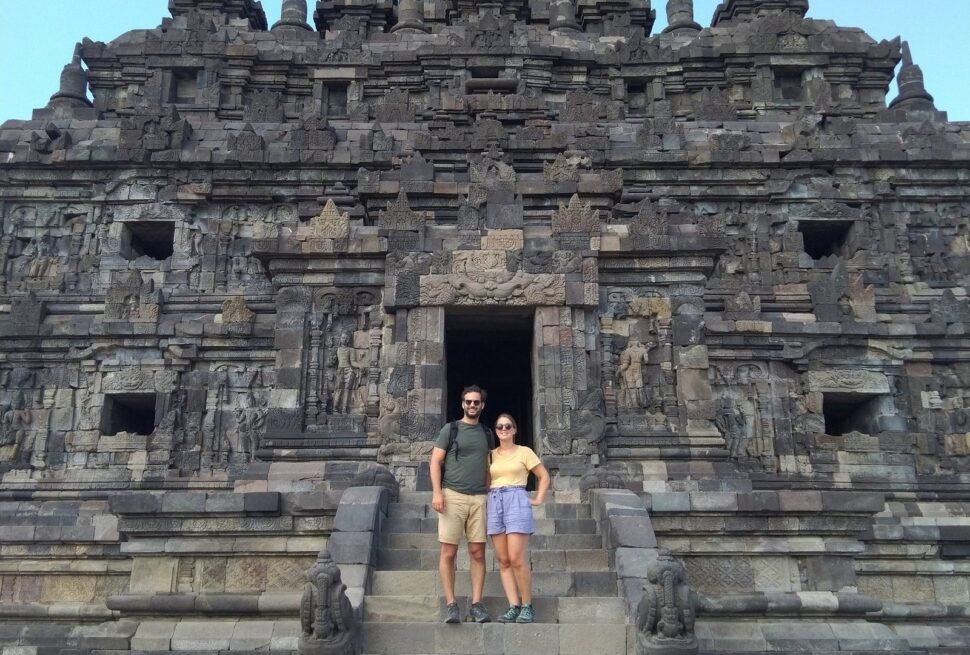
These are important things to understand before traveling. But once visitors arrive in Indonesia, the experience of the journey often moves beyond these practical concerns. Travel slowly becomes something else. A conversation with someone in a village. Watching daily life unfold in a small market. Standing quietly in an ancient temple as the morning light changes the color of the stone.
Moments like these are rarely the things people search for online before traveling. Yet they often become the memories that stay with them the longest. Preparing the practical details helps travelers arrive with clarity and comfort. The real journey begins once they are here. (Check our Social Media account here for more updates and news about Indonesia.)