
- 4
- 10
Discover Java’s multilayered history — from ancient kingdoms and colonial legacies to modern Indonesia — through meaningful, slow cultural journeys.



Map
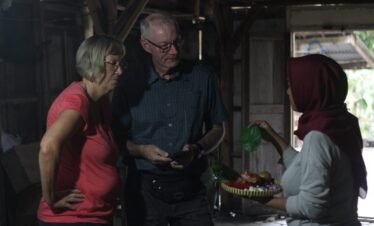
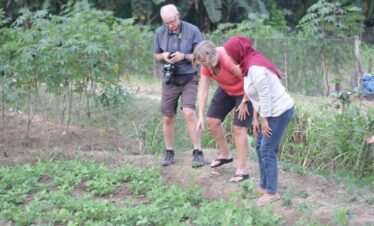
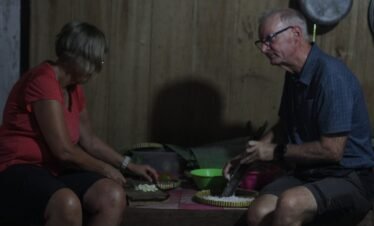
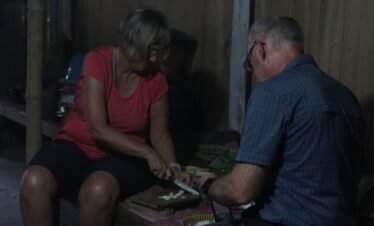
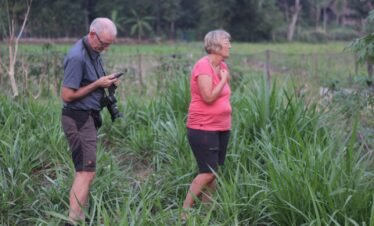
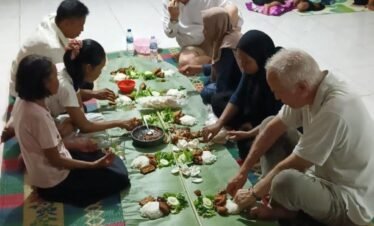
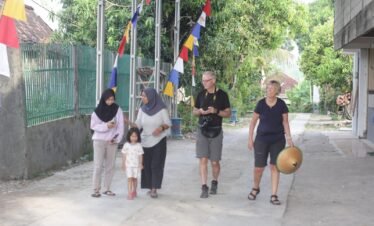
Experience rural life in Purwodadi with a 2D1N living-in program. From village cycling, home cooking with local families, and meaningful interactions.
Duration
2 Days
$110.5
Next Departures
April 8, 2026 (Available)April 9, 2026 (Available)April 10, 2026 (Available)
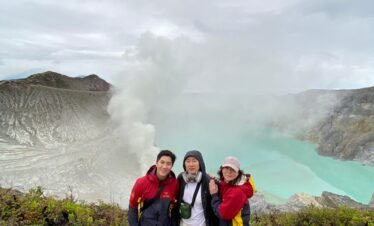

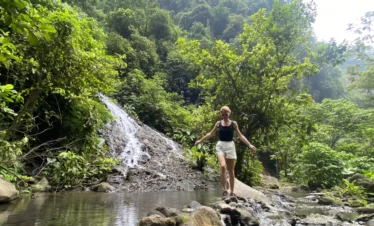
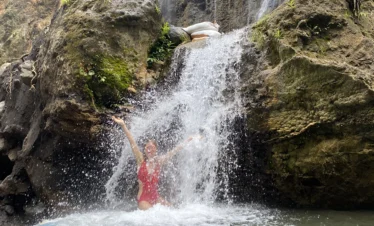
Map
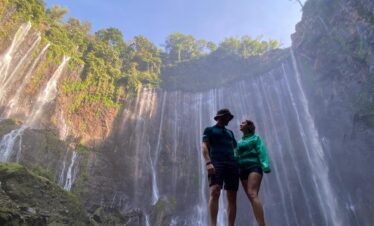
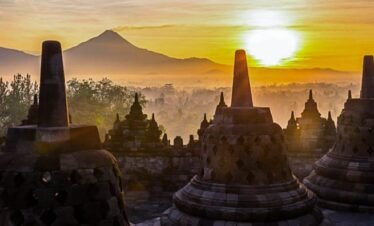
A comprehensive 5-day, 4-night overland across Java, starting with Yogyakarta and traveling east through the island’s iconic landscapes.
Duration
5 Days
$940
Next Departures
April 8, 2026 (Available)April 9, 2026 (Available)April 10, 2026 (Available)


Map
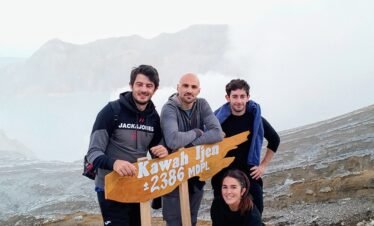
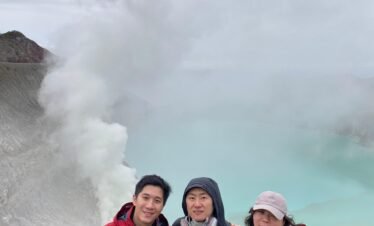
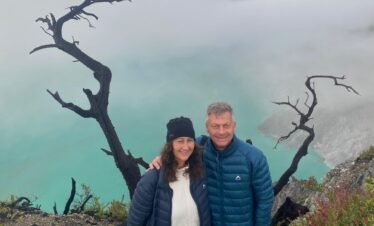
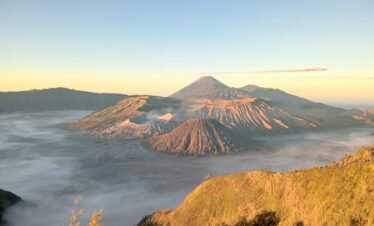
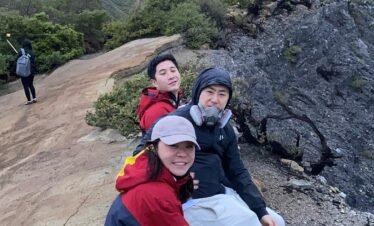
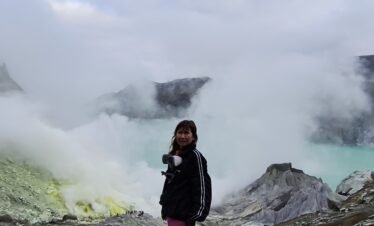
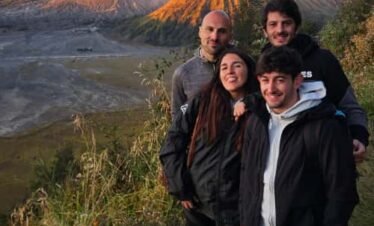
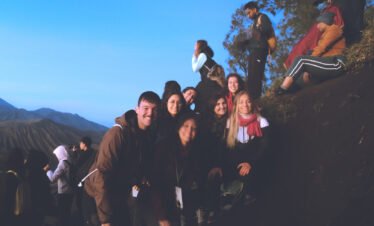
A thrilling 3-day overland journey across Java, departing from Yogyakarta and heading east to the island’s most iconic volcanic landscapes.
Duration
3 Days
$610.9
Next Departures
April 8, 2026 (Available)April 9, 2026 (Available)April 10, 2026 (Available)

Map
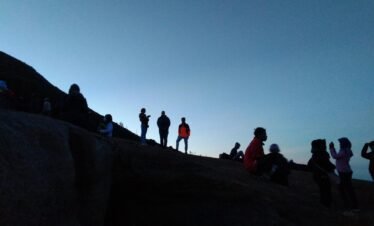
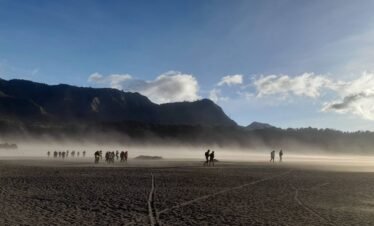
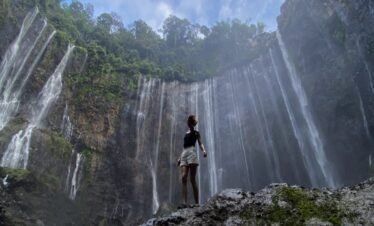
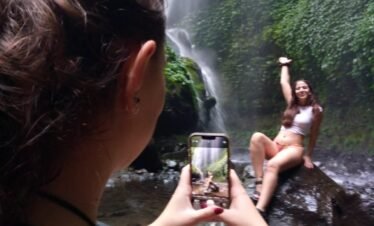
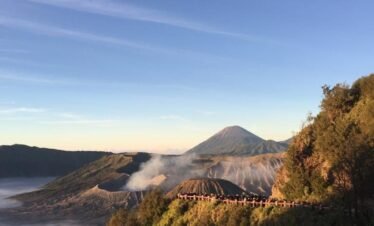
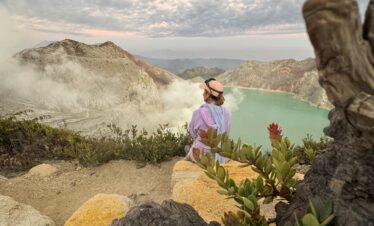
A rewarding 4-day, 3-night overland journey across Java, departing from Yogyakarta and traveling east into the island’s most iconic volcanic landscapes.
Duration
4 Days
$760.6
Next Departures
April 8, 2026 (Available)April 9, 2026 (Available)April 10, 2026 (Available)