Yogyakarta, located in central Java, is the cultural capital of Indonesia and is renowned as the hub of traditional Javanese arts, music, and dance. Its streets are alive with artistic energy, offering visitors a glimpse into Indonesia’s profound cultural legacy.
A Journey Through Culture, Art, and Spirituality
Yogyakarta is more than just a city; it is a living embodiment of Indonesia’s cultural and artistic soul. From its captivating wayang kulit performances and world-renowned batik textiles to the historical grandeur of the Kraton and the awe-inspiring beauty of Borobudur and Prambanan, Yogyakarta offers an enriching journey into the heart of Javanese heritage. It’s also a giant art gallery where every corner tells a story. It’s famous for keeping Javanese traditions alive while embracing a modern and progressive creative spirit shown through the city’s murals and art scenes.
Whether you are an art lover, history enthusiast, or spiritual seeker, Yogyakarta promises an unforgettable experience, leaving you with a deeper appreciation of Indonesia’s timeless culture and traditions.
Wayang Kulit: One of the region’s most celebrated art forms, wayang kulit, or shadow puppetry, is a mesmerizing performance art. Crafted from intricately designed leather, these puppets come to life in storytelling sessions illuminated by oil lamps. The narratives often draw from the Hindu epics Ramayana and Mahabharata, showcasing a perfect blend of storytelling, artistry, and music.Batik Textiles: Yogyakarta is also famed for batik, a centuries-old textile art recognized by UNESCO as an Intangible Cultural Heritage of Humanity. The city is dotted with batik workshops where visitors can observe artisans applying hot wax and natural dyes to create intricate patterns. Each design carries symbolic meaning, reflecting Yogyakarta’s cultural identity and history.

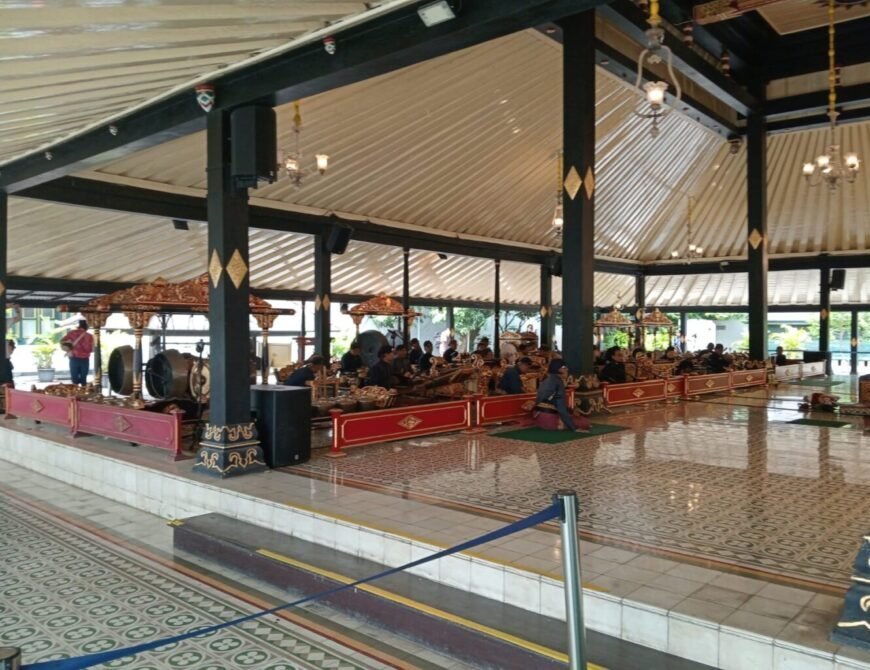
Gamelan Music and Dance: Traditional gamelan music, featuring an ensemble of percussive instruments such as gongs, metallophones, and drums, forms the backbone of Javanese performances. Accompanied by elegant classical dance, these harmonious melodies transport audiences to a timeless world of artistic expression.

For visitors, attending a live performance of wayang kulit, batik workshops, or gamelan shows is an unforgettable experience that reveals the artistic soul of Yogyakarta.
A City Steeped in History: Yogyakarta’s Royal Legacy
Yogyakarta holds a unique place in Indonesia’s history as one of the country’s few remaining royal cities. The city’s regal charm is embodied in the Kraton Yogyakarta, the Sultan’s Palace, which serves as both a cultural landmark and a living museum.
The Kraton Yogyakarta: This sprawling palace complex is the heart of Yogyakarta and home to the Sultan and his family. Built in the mid-18th century, the Kraton stands as a testament to Javanese architecture and royal traditions. Visitors can explore its ornate halls, pavilions, and museum exhibits that house royal heirlooms, artifacts, and traditional costumes. Daily cultural performances, such as Javanese dance and music, further enrich the palace experience.
The Kraton is not merely a historical site but a symbol of Yogyakarta’s enduring connection to its royal past, where traditions are honored and celebrated to this day.
Gateway to Iconic Temples: Borobudur and Prambanan
Yogyakarta’s strategic location makes it the perfect base for exploring two of Indonesia’s most magnificent UNESCO World Heritage Sites: Borobudur and Prambanan temples. Together, these temples reflect the cultural harmony of ancient Java, where Hinduism and Buddhism coexisted and flourished.
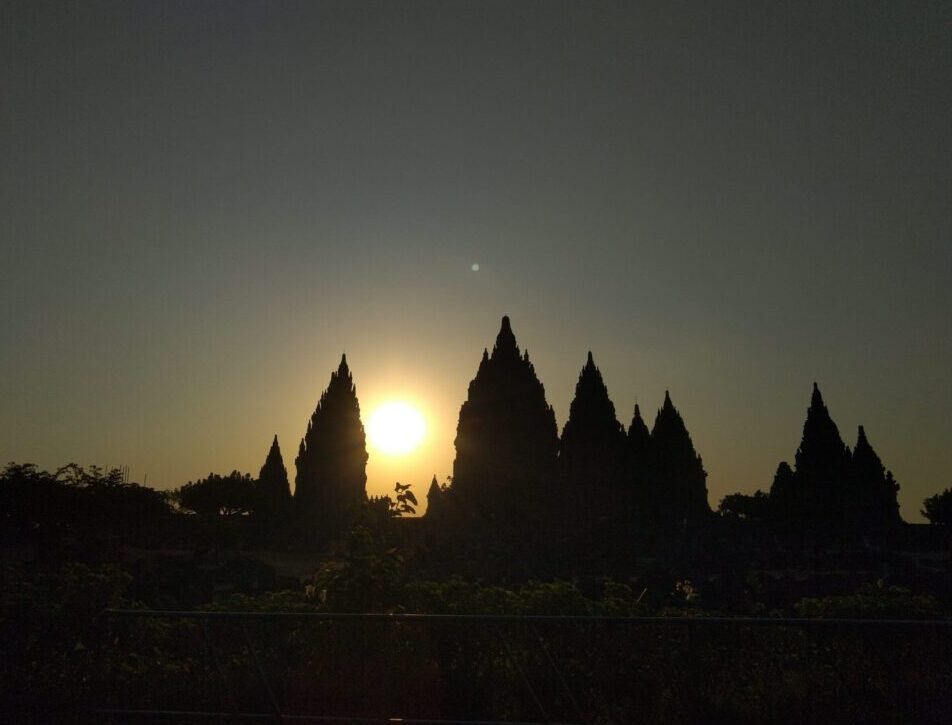
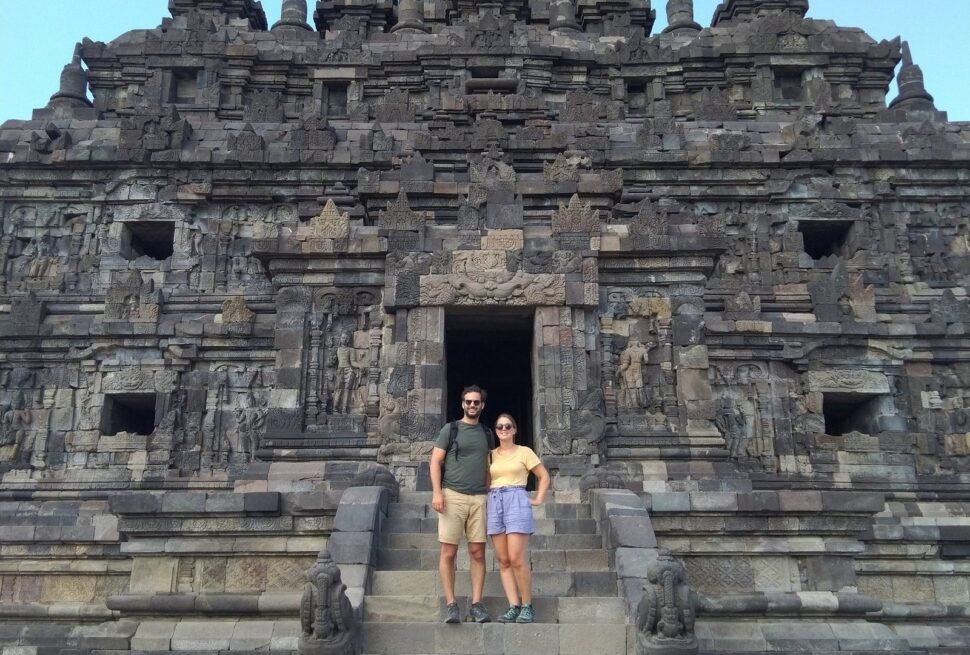
Prambanan Temple: Just a short drive from the city lies Prambanan, a stunning Hindu temple complex dedicated to the Trimurti – Brahma, Vishnu, and Shiva. Built in the same era as Borobudur, Prambanan features towering spires and exquisite stone carvings that depict scenes from Hindu mythology. The central Shiva temple, standing 47 meters tall, dominates the landscape, showcasing the architectural brilliance of its creators.
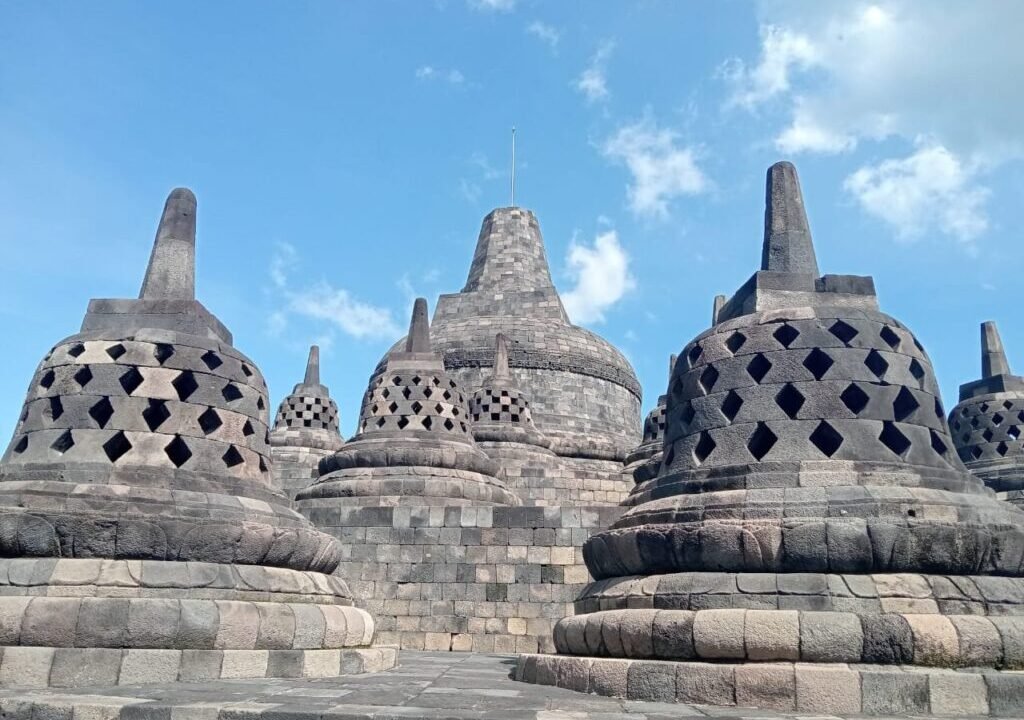
Borobudur Temple: As the largest Buddhist monument in the world, Borobudur stands as a masterpiece of ancient architecture and spiritual devotion. Built in the 9th century, the temple consists of nine stacked platforms adorned with over 2,600 relief panels and 500 Buddha statues. Climbing to the top of Borobudur at sunrise is a magical experience, offering panoramic views of mist-covered jungles and distant volcanoes while the golden light illuminates the intricate carvings.
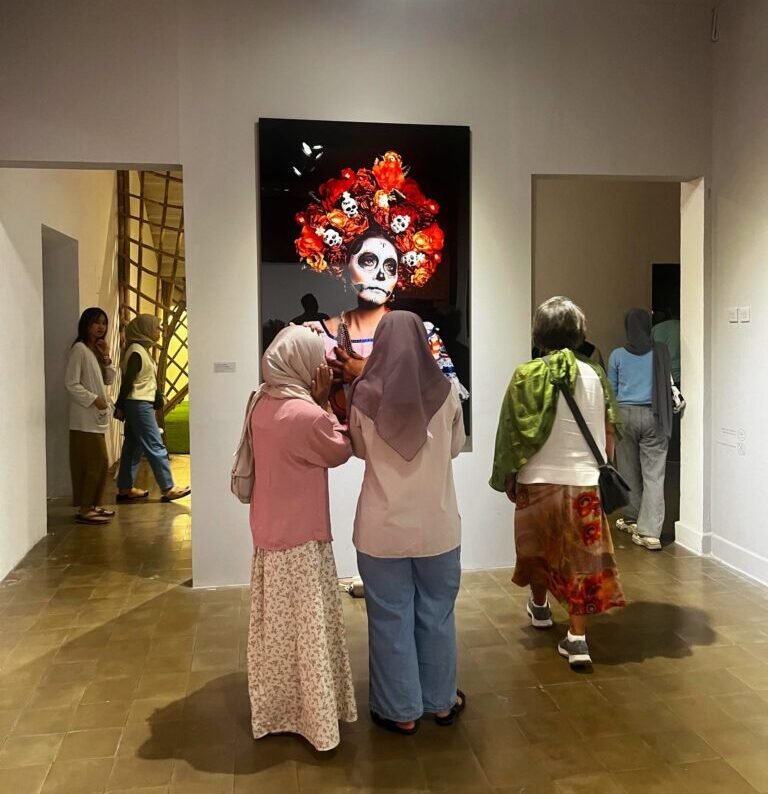
Contemporary Art Scenes: The vibrant art scene in Yogyakarta is one of the key reasons it’s often called the art capital of Indonesia. From thriving local art communities and emerging art collectives to hosting ARTJOG, one of the country’s biggest art fairs, the city showcases a dynamic blend of progressive creativity while staying rooted in its traditional identity within the contemporary world.
Watching any of these live is a must when you’re here. It’s like stepping into a world where time slows down and reshapes itself.
Why Yogyakarta Should Be on Your Bucket List
Yogyakarta is more than just a destination; it’s an experience. From watching traditional wayang kulit performances to exploring ancient temples, learning to make batik, and witnessing the progressive development of the city, every moment here feels special. Plus, the people are warm, the food is delicious, and the city itself has a charm you won’t find anywhere else.
Whether you’re traveling solo or with friends and family, Yogyakarta has something for everyone. So pack your bags, bring your camera, and get ready for an adventure that will stay with you long after you leave.ds
Your journey into the soul of Java starts here. Are you ready? Check what we have for your next travel inspiration here in Yogyakarta. Or check our Social media account for any news and updates.